More than piano lessons. Become a musician.
Every child can learn to think in music.
Piano and musicianship lessons in South East London, grounded in Music Learning Theory.
Children learn to audiate — to hear and understand music inwardly — rather than simply imitate.
They learn to read music with understanding, perform with confidence, improvise and create their own music.
The goal? An independent musician for life
What makes these lessons different?
Learning the piano is about much more than pressing the right keys at the right time.
In my lessons, children develop the musical understanding behind what they play. We sing, move, listen, play by ear, improvise and create, alongside learning repertoire, technique and notation.
My teaching is grounded in Edwin Gordon’s Music Learning Theory, which puts audiation at the heart of musical development.
As their musicianship grows, children learn to:
- play by ear and understand what they hear
- improvise and create their own music
- recognise tonal and rhythm patterns
- read notation with musical understanding
- play expressively and confidently
- work things out for themselves
And that last one really matters to me.
I don’t want my pupils always to need a teacher.
I want them to develop the skills and confidence to sit at a piano, explore an idea, learn music they love, make music with other people — or create something that has never existed before.
What happens in a lesson?
No two lessons are exactly the same.
We might sing, move to music, echo rhythm or tonal patterns, improvise together, learn part of a piece by ear and explore how it feels at the piano. Eventually, we will discover how music we already understand sounds and looks in notation.
Children aren’t expected simply to follow instructions and reproduce a performance.
They are encouraged to listen, think, experiment, make choices and create.
The piano becomes somewhere to explore music — not just somewhere to practise pieces.
Why Music Learning Theory?
Music Learning Theory, developed by Edwin E. Gordon, is based on how we learn to understand music — not simply reproduce it.
At its heart is audiation: the ability to hear and understand music in your mind.
I think of it rather like language learning. Children listen and speak before they read and write. In the same way, my pupils build a musical vocabulary through listening, singing, moving, playing and creating before notation becomes the focus.
Music is something to understand first — and read second.
Want to know more?
Dr Cynthia Taggart explains beautifully how young children develop musically in this short video.
[WATCH: Empowering Young Children Musically]
About Trish
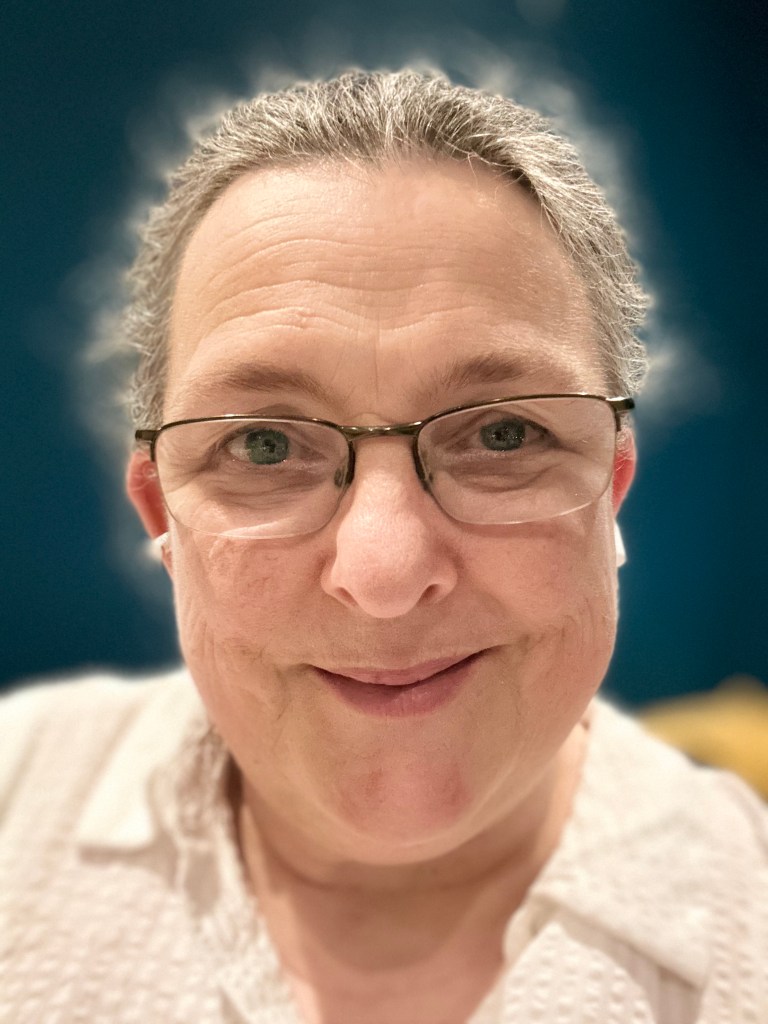
I’m a specialist piano and musicianship teacher based in South East London, with a particular focus on Music Learning Theory and developing audiation in young musicians.
I teach musicianship at Guildhall, and I continue to train extensively in Music Learning Theory and creative approaches to music education.
I specialise in helping children develop the musicianship that sits behind piano playing — listening, audiation, rhythm, tonal understanding, improvisation and creativity — alongside the skills needed to become confident pianists.
I’m also a musician and composer myself, so creating music isn’t an optional extra in my teaching. It’s part of what being a musician means.
What matters most to me is not simply what a pupil can play for me during a lesson, but what they will eventually be able to do without me.
MORE ABOUT ME
Is this approach right for your child?
These lessons may be a particularly good fit for children who:
- are beginning their musical journey
- love experimenting and making things up
- enjoy learning through listening, singing and movement
- already play piano but would like to understand music more deeply
- want to improvise or compose as well as play written music
- would benefit from a creative, child-centred approach to learning
You don’t need to know whether your child is “musical enough” before getting in touch.
That’s what learning is for.
Could this be the beginning of your child’s journey as a musician?
If you’d like your child to do more than learn piano pieces — and to develop the skills to understand, create and enjoy music independently — I’d love to hear from you.